Posts Tagged ‘Rehab Budgets’
Rehab Valuator vs. Flipster: From Property Lead to Rehab Plan

An off-market lead becomes a viable project only after you estimate repairs, set an offer, and decide how the property will create value. The Rehab Valuator vs. Flipster comparison looks at two platforms that overlap on comps, deal analysis, offers, and rehab-related tools while starting from different points in the process. With Rehab Valuator, the…
Read MoreRehab Valuator vs FlipperForce for Your Next Rehab Investment
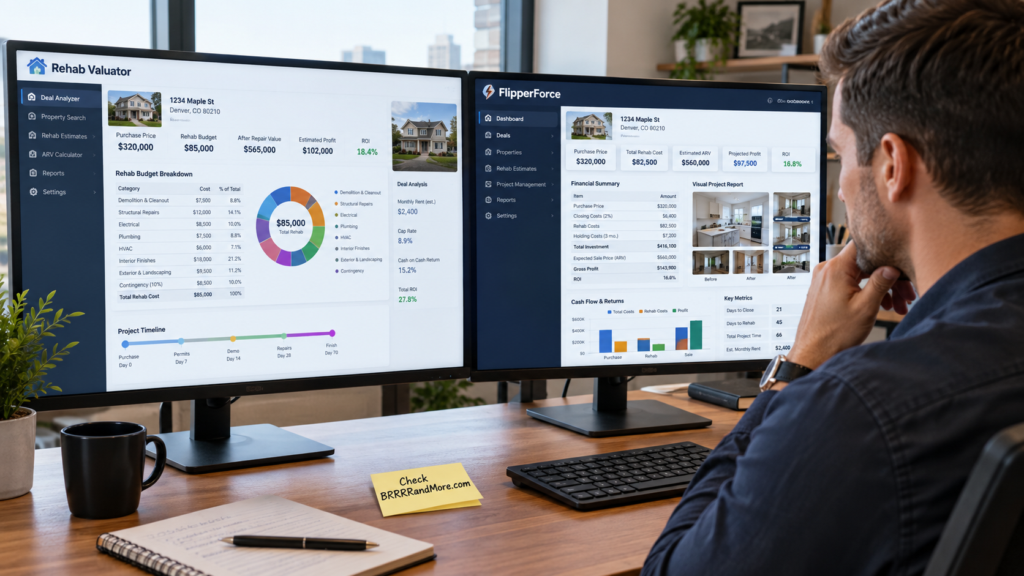
A rehab estimate tells you what a project might cost. Before you commit, you also need to understand financing expenses, potential returns, and how you’ll track spending after closing. This Rehab Valuator vs FlipperForce comparison examines those jobs in order: analyzing the purchase, planning the renovation, presenting the deal, and managing the work. Both platforms…
Read MoreBRRRR Rehab Cost Tracking That Exposes Budget Overruns
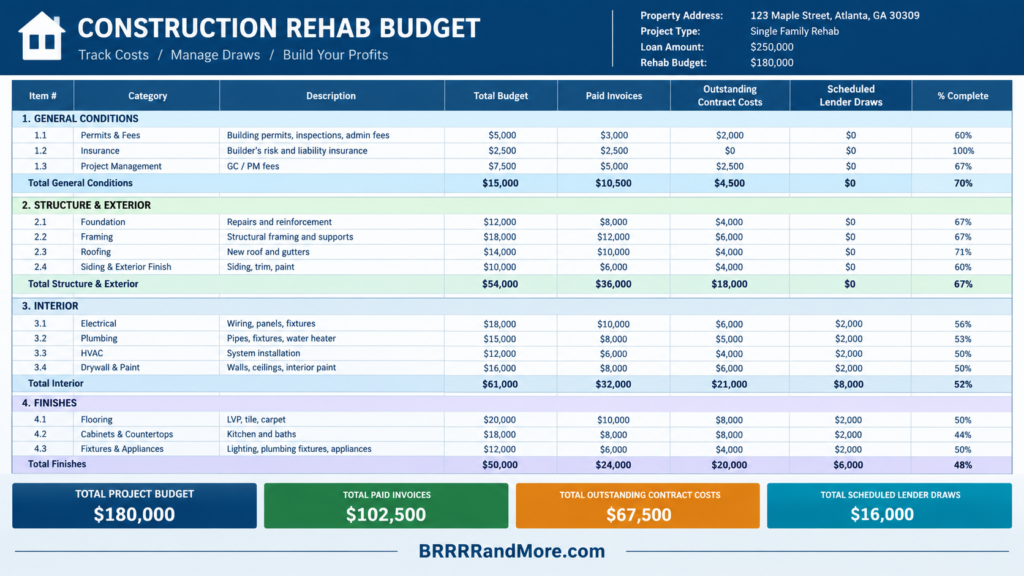
Paying $32,000 against a $66,000 rehab budget doesn’t mean you have $34,000 left to spend freely. Unpaid bills, unfinished contracts, and unpriced work may already push the project over budget. BRRRR rehab cost tracking should reveal that overrun before you authorize another payment. By connecting your budget, completion forecast, lender draws, and asset records, you…
Read MoreBRRRR Bookkeeping That Shows Your Actual Returns

A $50,000 refinance deposit doesn’t mean you have $50,000 available for your next purchase. Unpaid contractor bills and the operating cash you need to retain can reduce the amount you can reuse. Accurate BRRRR bookkeeping shows what you spent, what the rental earns, what you owe, and how much capital you recovered. Here’s how to…
Read MoreHow to Analyze BRRRR Deals Quickly Before You Buy

A strong BRRRR opportunity can disappear while you are still deciding which numbers to run. That does not mean you should underwrite faster by skipping steps. It means the steps should already be familiar before the deal arrives. Learning how to analyze BRRRR deals quickly starts with practicing on properties you will never buy. Repeated…
Read MoreHow to Manage Financial Records for a BRRRR Rental Portfolio
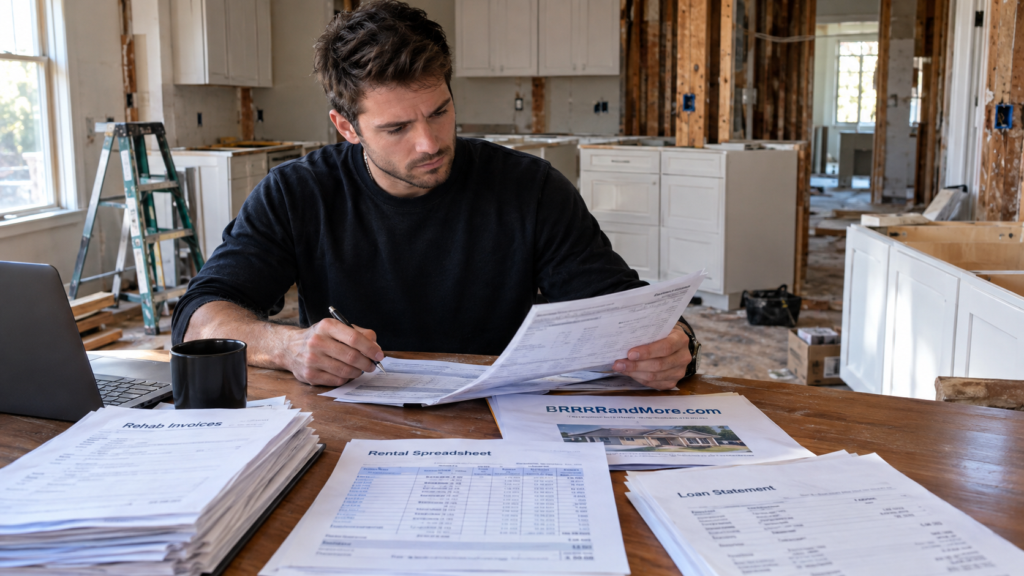
A BRRRR portfolio becomes harder to evaluate when purchase costs, rehab invoices, rent deposits, and refinance proceeds are stored in different places. Without property-level records, you can overstate cash flow, lose track of basis, and spend hours rebuilding numbers for a lender or tax preparer. Learning how to manage financial records for a BRRRR rental…
Read MoreCould a Multifamily Cost Segregation Study Pay Off?
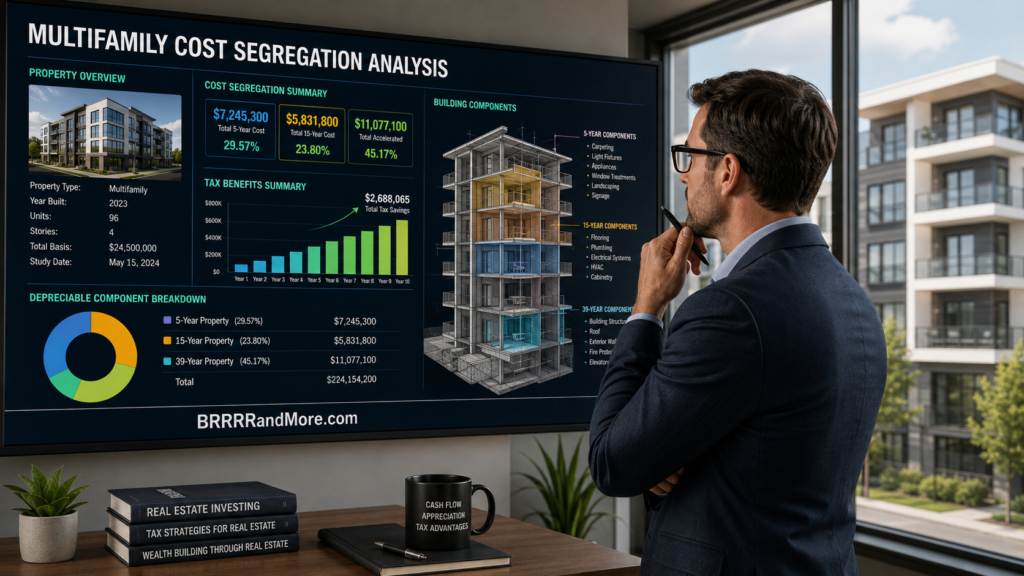
A six-figure depreciation deduction can look impressive and still do very little for your current tax bill. That is the trap multifamily investors need to avoid. A multifamily cost segregation study can move qualifying components of an apartment property out of the building’s 27.5-year depreciation schedule and into shorter recovery periods. Under current law, certain…
Read MoreMACRS Depreciation for BRRRR Investors: Don’t Miss Deductions
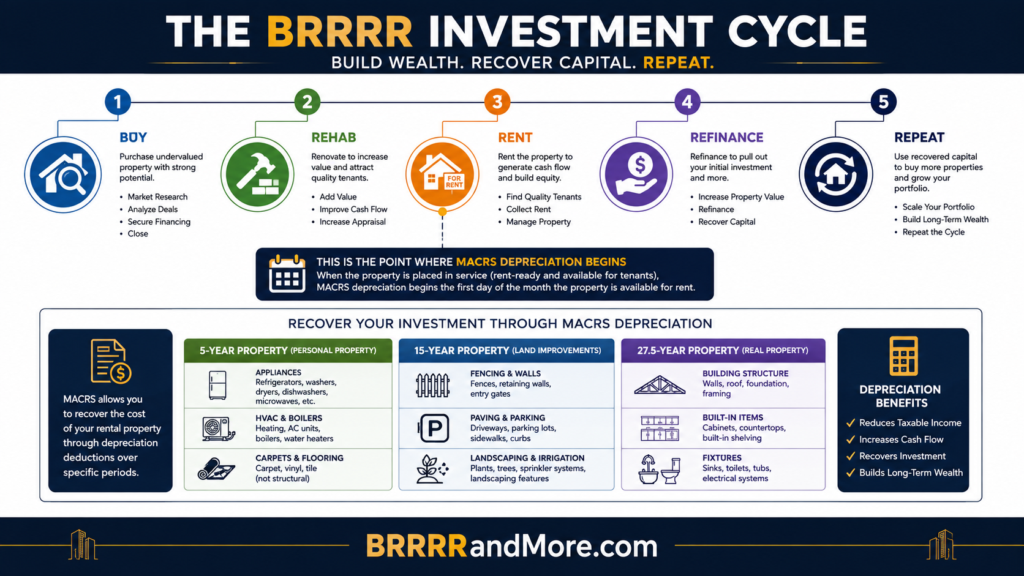
Every capitalized dollar in a BRRRR rehab eventually has to land somewhere on a depreciation schedule. MACRS is the system that determines how quickly most of those costs become tax deductions. MACRS depreciation for BRRRR investors matters because a completed rental rarely consists of one depreciable asset. The residential building generally follows a 27.5-year schedule,…
Read MoreTitle 24 Report for a New Home: Costs and Permit Risks
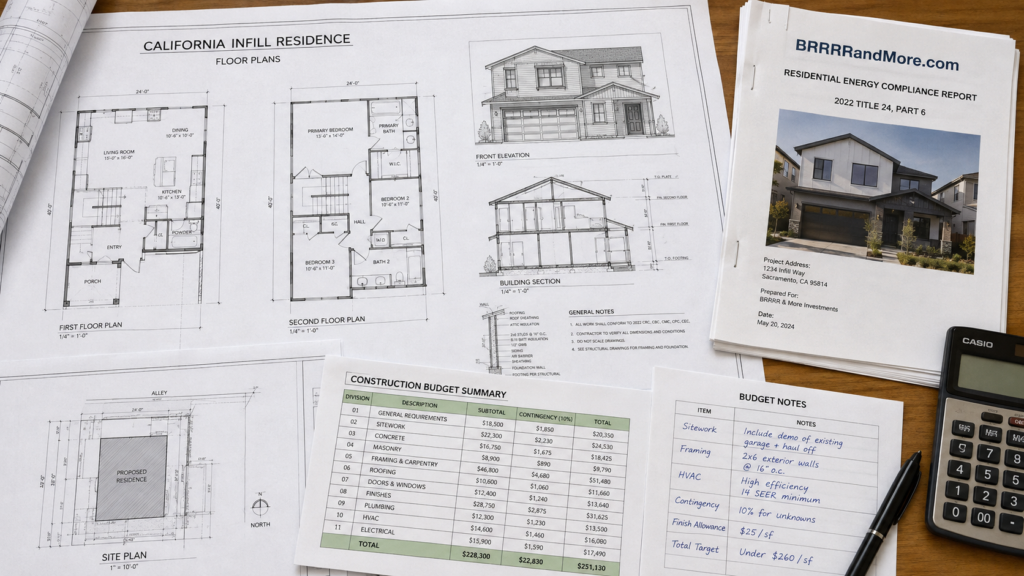
A Title 24 report can change your California new-home budget before the building department reviews the structural plans. A window package that looked affordable, a gas-appliance assumption, or a late HVAC change can trigger revised calculations, new specifications, and higher bids. If you are developing an infill rental, replacing a demolished house, or building a…
Read MoreSection 179 for BRRRR Investors: What Can You Deduct?

Section 179 becomes relevant to a BRRRR operation at a narrower point than many investors expect. It usually has more to do with the equipment you use to operate the business than with the rental building you’re renovating. That line can become blurry when one project includes tools, computers, appliances, HVAC equipment, flooring, landscaping, and…
Read MoreBonus Depreciation for Rental Property Investors: What Qualifies?

100% bonus depreciation is available again, but that does not turn a BRRRR rehab into a 100% first-year write-off. Bonus depreciation for rental property investors applies to qualifying shorter-life assets, not the residential rental building itself. Appliances, certain flooring, fencing, landscaping, and other eligible property can therefore receive very different treatment from roofs, structural work,…
Read More