Top BRRRR Markets for Small Multifamily Investors
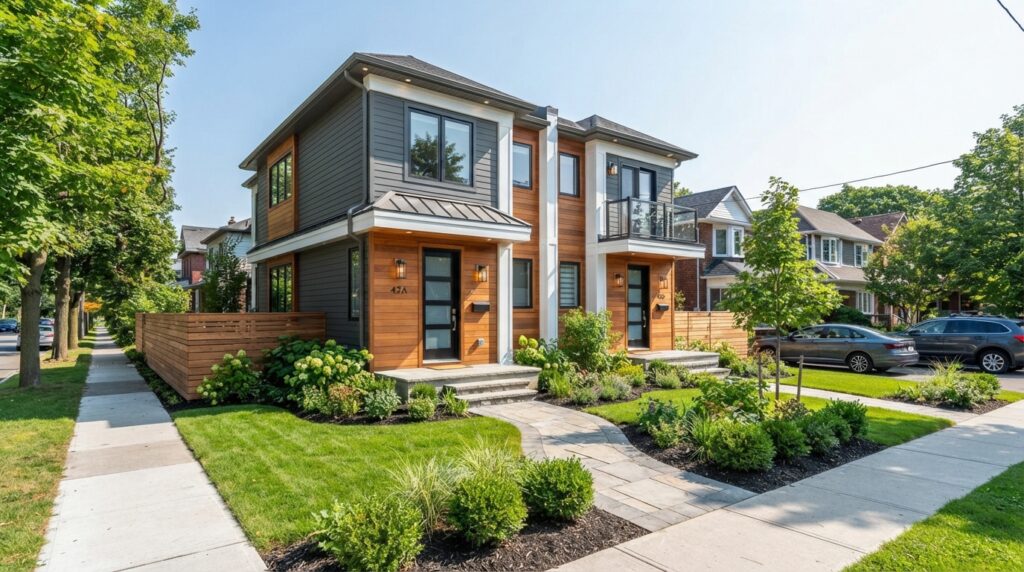
A duplex is not simply a single-family rental with another front door.
The additional unit can improve income, reduce the impact of a partial vacancy, and create more than one path to long-term value. It can also introduce shared utilities, fire-separation requirements, unfamiliar appraisal methods, higher turnover, and renovation decisions that affect several households at once.
Triplexes and fourplexes add another layer. The gross rent may look compelling, but one aging boiler, an unapproved unit, or an owner-paid utility can change the economics before you reach the refinance stage.
For that reason, the strongest BRRRR markets for small multifamily investors are not necessarily the cheapest cities or the places with the fastest population growth. You need a market where duplexes, triplexes, and fourplexes are common enough to find, finance, appraise, rent, and eventually sell.
This guide identifies 10 markets worth investigating. Some offer an established supply of small multifamily buildings. Others present stronger apparent cash flow but require more rehabilitation discipline. Chicago and Philadelphia bring deeper buyer and rental markets, although the capital and compliance demands are higher.
The markets are not ranked from first to tenth. Your most suitable choice will depend on the building type, available capital, management approach, local team, and amount of renovation risk you are prepared to accept.
Small Multifamily Markets Included in This Guide
These markets are grouped according to the role that duplexes, triplexes, and fourplexes can play in a BRRRR strategy. Each group presents a different balance of property availability, acquisition cost, rental demand, rehabilitation risk, and market liquidity.
Established Small Multifamily Markets
Cities where two- to four-unit buildings are recognizable parts of the local housing stock and may support repeatable deal sourcing.
- Milwaukee, Wisconsin
- St. Louis, Missouri
- Cincinnati, Ohio
- Pittsburgh, Pennsylvania
Cash-Flow Potential With Higher Rehab Risk
Markets where price and rent comparisons may look attractive, but older buildings, compliance requirements, or acquisition competition can narrow the margin for error.
- Cleveland, Ohio
- Buffalo, New York
- Rochester, New York
- Detroit, Michigan
Deeper Liquidity and Higher Capital Needs
Large rental markets with extensive small multifamily inventory and stronger resale depth, accompanied by higher acquisition and regulatory demands.
- Chicago, Illinois
- Philadelphia, Pennsylvania
These categories describe general market characteristics rather than rankings. Individual property economics can vary substantially by neighborhood, legal unit count, condition, utility configuration, and achievable rent.
What Counts as Small Multifamily in This Guide
This article focuses on residential properties containing two to four units:
- Duplexes
- Triplexes
- Fourplexes
Buildings with five or more units are not included. Once a property reaches five units, financing and valuation commonly move toward commercial multifamily standards. Lenders may rely more heavily on net operating income, debt-service coverage, capitalization rates, and commercial loan terms.
Two- to four-unit properties remain part of the residential lending system. That distinction can create several advantages for a BRRRR investor.
A renovated duplex or fourplex may appeal to an investor, an owner-occupant, or a house hacker. The wider buyer pool can improve liquidity if you later decide to sell. Residential appraisal forms and mortgage products may also be available, subject to property condition, occupancy, borrower qualifications, and lender guidelines.
The flexibility does not remove the need for detailed underwriting. Fannie Mae generally allows lenders to use documented lease income or appraiser-supported market rent, with qualifying calculations commonly using 75% of gross rent to account for vacancy and maintenance. Its rental-income guidance also distinguishes between owner-occupied two- to four-unit properties and non-owner-occupied investments.
Your acquisition or refinance lender may use different rules. Confirm how rental income will be treated before purchasing rather than assuming every unit’s full projected rent will support the loan.
The Market Filter That Changed the List
A general rental-market ranking can be built around home prices, rents, employment, and population. Small multifamily investing requires a different starting point.
The first question is whether the local housing stock actually contains enough two- to four-unit buildings to make the strategy repeatable.
The Census Bureau’s Units in Structure data separates detached houses, two-unit buildings, and properties containing three or four units. Related tenure tables show whether those units are occupied by owners or renters. Together, the datasets help identify cities where small multifamily housing forms a meaningful part of the rental market rather than an occasional listing.
Next comes liquidity. A city may have thousands of duplexes, but you still need enough sales activity to establish prices and give an appraiser reliable comparable properties. Inventory, transaction volume, days on market, price reductions, and sale-to-list ratios all affect your ability to acquire and refinance.
The Redfin Data Center methodology helps interpret market measures such as active listings, closed sales, pending sales, and months of supply. These statistics are useful for assessing buyer competition and negotiating conditions, although they do not replace a property-type-specific comparable-sales analysis.
The final screen considers how the building will operate after renovation:
- Are rents supported by actual comparable units?
- How often do two- and three-bedroom apartments turn over?
- Does the landlord pay water, heat, electricity, or common-area utilities?
- Are the units legally recognized?
- What inspections or rental certificates are required?
- Can the neighborhood support the projected after-repair value?
- Will property taxes reset after the sale or renovation?
- Are lead, fire, egress, or occupancy requirements likely to increase the scope of work?
Citywide home values and rents are included throughout this article to provide context. They are not substitutes for duplex or fourplex underwriting. A two-unit building may sell at a very different price than a typical detached home, while its rent depends on the bedroom count, condition, utility arrangement, parking, and immediate location.
Market information was reviewed in July 2026. Most housing and rent figures reflect data through May 31, 2026.
Markets Where Small Multifamily Is Part of the Housing Fabric
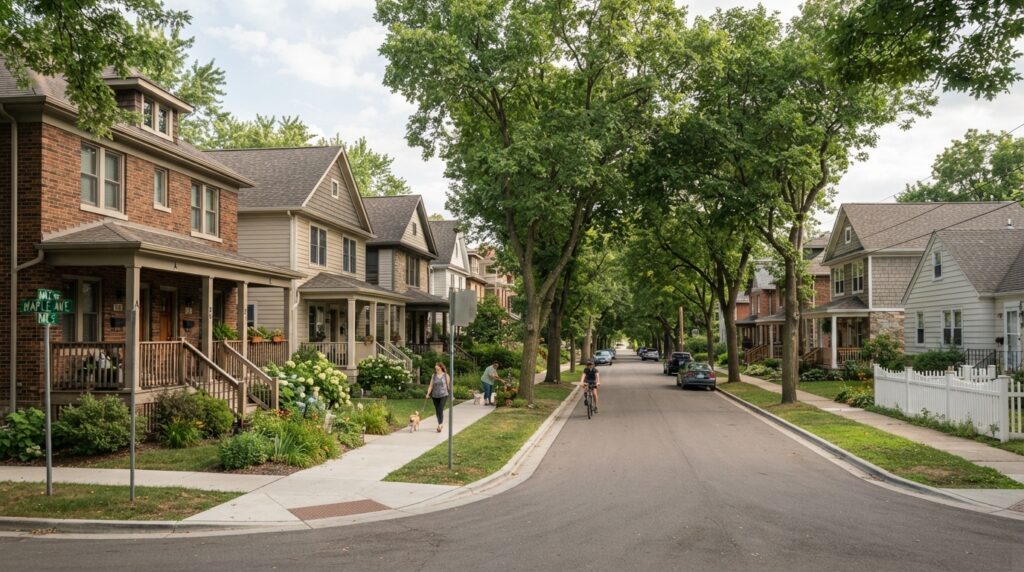
In the following cities, duplexes and small apartment properties are not unusual exceptions. They are established parts of the local housing stock.
That depth can improve deal sourcing and appraisal support. It also means you are likely to encounter older buildings, legacy utility configurations, and renovation issues that are uncommon in newer single-family markets.
Milwaukee, Wisconsin
Milwaukee deserves serious consideration because its duplex inventory is unusually substantial. A 2025 city housing report identified approximately 34,200 duplex properties containing about 68,400 housing units. Around 46% of those duplexes were owner-occupied, which demonstrates that the building type serves both investors and residents who live in one unit. The city reported a median assessed duplex value of approximately $178,500 in 2025.
That owner-occupant presence matters. When you renovate a two-family property, your future buyer pool may extend beyond landlords. A household that plans to occupy one unit and rent the other may value updated mechanical systems, separate utilities, parking, storage, and a comfortable owner’s unit differently from a yield-focused investor.
Broader housing conditions were also supportive as of May 2026. Zillow estimated a typical Milwaukee home value of approximately $229,900 and average rent near $1,450. Rent had increased about 4.1% over the previous year, compared with home-value growth of roughly 3.5%.
The age of the housing stock creates the main complication. More than 42% of Milwaukee housing was built before 1940, with another large share constructed between 1940 and 1959. A promising duplex can therefore conceal aging supply lines, waste stacks, electrical service, masonry, foundations, roofing, windows, and heating systems.
Pay particular attention to heat and utility separation. A property with one boiler and owner-paid heat may produce a very different operating result from a similarly priced building where tenants control their own furnaces. Estimate each arrangement using actual utility history rather than a generic expense percentage.
Lead safety, basement moisture, snow removal, detached garages, and exterior maintenance should also appear in the renovation plan. Milwaukee can offer genuine small-multifamily depth, but the best purchase is usually a building whose major systems are understandable—not simply the cheapest duplex available.
St. Louis, Missouri
Brick duplexes and four-family flats are part of St. Louis’s residential identity. Urban Institute research places the metropolitan area among the markets with a particularly meaningful concentration of two- to four-unit rental housing. Local neighborhood records also document duplex and four-family forms across established city neighborhoods.
The market’s current rent and acquisition relationship is worth examining. Zillow reported a typical St. Louis home value of approximately $188,300 and average rent near $1,381 in May 2026. Rents had risen about 4.7% over the year, while typical values were nearly flat. Slightly more than half of recent sales closed below asking price.
Those conditions may allow you to create value without depending on rapid appreciation. A four-family building purchased below stabilized value can generate multiple income streams, while a duplex may offer a simpler renovation and broader resale market.
St. Louis requires block-level analysis. Building condition, tenant demand, vacancy, appraised value, and resale liquidity can change considerably across relatively short distances. A renovated sale several blocks away may not support your projected after-repair value if it sits in a different neighborhood or appeals to another buyer group.
The physical scope deserves equal attention. Brickwork, parapets, flat or low-slope roofs, sewer laterals, cast-iron plumbing, basement water intrusion, and outdated electrical service can consume the margin that made the deal appear attractive.
Confirm which government has jurisdiction over the property. Rules, occupancy permits, inspections, taxes, and utilities can differ between the City of St. Louis and municipalities elsewhere in the county. Do not assume that a process used on one side of a municipal boundary will apply a few streets away.
St. Louis may suit investors who can evaluate older masonry buildings and manage neighborhood risk. It is less appropriate for a remote buyer relying on citywide rent averages and a standardized rehabilitation allowance.
Cincinnati, Ohio
Cincinnati offers a middle ground between low-cost cash-flow markets and more expensive, highly competitive small-multifamily cities.
As of May 2026, the typical home value was approximately $254,500 and average rent was around $1,477. Rent growth of about 3.5% outpaced the 1.4% increase in home values. Just over half of recent sales closed below list price, although desirable properties still moved quickly.
Duplexes, triplexes, and fourplexes are established enough that the city has incorporated these forms into current housing and “gentle density” discussions. That does not mean small multifamily buildings are distributed evenly across Cincinnati. Certain neighborhoods provide far more inventory, sales evidence, and tenant demand than others.
You may find opportunity in an older two-family property where the layout, parking, and unit sizes appeal to conventional renters. In other locations, the more viable project may be a three- or four-unit building whose existing income supports a larger renovation.
Avoid applying one rent per bedroom across the entire city. A two-bedroom apartment with off-street parking, laundry, air conditioning, and separate utilities may perform very differently from a similarly sized unit without those features.
Cincinnati’s terrain can also affect costs. Retaining walls, hillside drainage, foundation movement, difficult access, and exterior stairs deserve inspection before you finalize the budget. Older brick and masonry buildings may require specialized repairs that are not captured in a basic price-per-square-foot estimate.
For the refinance, compare the property with other legal two- to four-unit sales whenever possible. A nearby single-family renovation may demonstrate neighborhood demand, but it may not establish the value of a duplex with a different income profile and buyer pool.
Pittsburgh, Pennsylvania
Pittsburgh’s appeal comes from the relationship between current rents and relatively stable values. Zillow estimated a typical city home value of about $243,000 in May 2026. Average rent reached approximately $1,603 and had increased 4.3% over the preceding year, while home values were slightly lower. Nearly six out of ten recent sales closed below list price.
The city and surrounding municipalities contain duplexes, converted houses, rowhouses, and small apartment buildings. That variety creates more ways to pursue the strategy, but it also makes comparison difficult. Two properties with the same unit count may have entirely different construction, access, parking, utility, and maintenance profiles.
Pittsburgh’s hills should influence your inspection and construction planning. Retaining walls, steep exterior stairs, sloped lots, drainage, hillside foundations, and difficult material access can turn an ordinary repair into a specialized project. Sewer conditions and aging masonry warrant particular attention in older buildings.
Municipal fragmentation adds administrative work. A property in the City of Pittsburgh may face different tax, inspection, registration, and occupancy requirements from a building in a nearby borough. Verify the exact jurisdiction before assuming that a contractor, property manager, or lender’s prior experience applies.
The strongest Pittsburgh BRRRR may be a property where the existing configuration is already legal, the units have practical layouts, and the renovation improves function rather than attempting to reposition the building beyond the neighborhood.
Pay close attention to taxes during underwriting. Use the expected post-purchase assessment and local millage rather than copying the seller’s historical tax expense. Strong gross rent can look far less attractive once property taxes, owner-paid utilities, maintenance, and hillside-related capital work are included.
Markets Where the Spread Can Work but the Building Can Bite Back
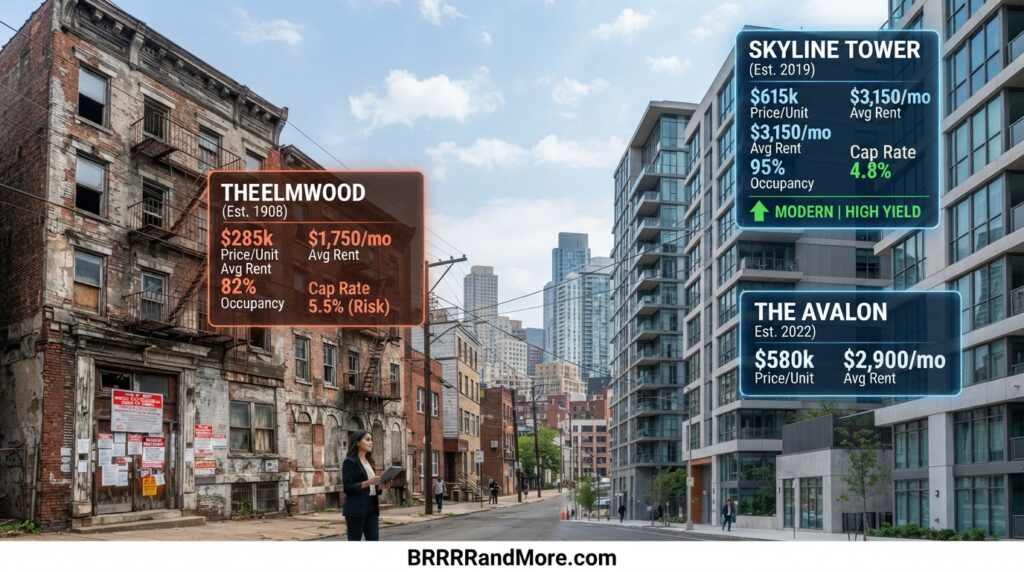
The next group can produce compelling price-per-unit and rent comparisons. It also contains older properties where physical, legal, or regulatory problems may be more consequential than the asking price.
Here, construction knowledge and local management may be more valuable than broad market growth.
Cleveland, Ohio
Cleveland’s apparent rent-to-value relationship attracts investors quickly. Zillow reported a typical home value of approximately $120,500 and average rent near $1,423 in May 2026. Rents had increased about 3.7% over the year, while typical values declined roughly 2.3%. More than half of recent sales closed below list price.
Those citywide numbers can make almost any duplex look promising. They should instead prompt a more difficult question: why is the building priced where it is?
Cleveland contains many older two-family properties, but the condition of those buildings and the strength of nearby rental demand vary widely. One property may need a manageable kitchen-and-bath renovation. Another may require electrical replacement, foundation work, roofing, windows, plumbing, sewer repairs, and lead compliance before it is ready for occupancy.
The city reports that approximately 80% of its homes were built before 1980. Rental properties built before 1978 generally need lead-safe certification or a qualifying exemption under Cleveland’s program.
Treat that requirement as part of the acquisition analysis rather than a post-renovation administrative step. Painted surfaces, windows, doors, porches, trim, soil, and repair practices can affect both cost and timing.
Utility separation is another dividing line. Confirm who pays for heat, water, electricity, and common areas. Review prior bills when the owner controls a central system, and determine whether separately metering utilities is feasible or economically sensible.
Cleveland can support cash flow when you purchase a legally configured building in a stable rental pocket and control rehabilitation costs. The market becomes far less forgiving when the plan assumes aggressive rent, an exceptional appraisal, or a repair scope based only on visible finishes.
Buffalo, New York
Buffalo’s small-multifamily housing stock is a genuine advantage. An official city architectural survey reported that two-family houses account for roughly 30% of its residential housing. Double houses and stacked two-family forms are familiar features of many neighborhoods.
Availability does not necessarily mean easy acquisition. In May 2026, Zillow estimated the typical home value at about $246,300 and average rent at $1,414. More than 56% of recent sales closed above list price, and properties typically reached pending status in approximately 10 days.
That competition can compress the BRRRR margin before renovation begins. Buildings with separate utilities, attractive original details, off-street parking, or a desirable owner’s unit may attract house hackers as well as investors.
Buffalo’s traditional housing forms can provide spacious apartments and useful bedroom counts, but age and climate increase capital needs. Inspect roofs, gutters, foundations, masonry, porches, windows, heating systems, supply lines, waste stacks, and sewer connections. Snow and freeze-thaw cycles can expose weaknesses that are less obvious during a brief walkthrough.
Decide early whether you are improving the property for long-term rental income or for a possible owner-occupant exit. The finish level, unit allocation, and renovation priorities may differ. An owner-occupant could value one larger, better-appointed unit, while an investor may focus more heavily on durable finishes and balanced rents.
New York’s landlord-tenant rules and local inspection processes also belong in the decision. Review current requirements with local professionals instead of treating regulatory costs as a generic percentage.
Buffalo may offer one of the clearest small-multifamily property supplies in the country, but competitive bidding means your advantage must come from accurate underwriting or operational expertise—not merely discovering that duplexes exist.
Rochester, New York
Rochester provides strong rent and value indicators, although acquisition competition is difficult to ignore.
Zillow reported a typical home value of approximately $247,900 and average rent around $1,564 in May 2026. Values had increased about 4.1% and rents about 3.4% over the previous year. Nearly 77% of recent sales closed above list price, with a median sale-to-list ratio of approximately 1.119.
Paying well above asking does not automatically make a project unworkable. It does reduce the amount of error the refinance can absorb. Your offer should be based on total cost and conservative value, not on the listing price or the number of competing bids.
Rochester’s certificate-of-occupancy system must also enter the budget. Current city fees distinguish between two-family properties and buildings containing three to five units. Beginning in 2026, one- and two-unit rental properties generally face inspections every three years, and owner occupancy of a two-unit building no longer provides the same broad exemption from the process.
Before purchasing a converted property, confirm the legal unit count and review prior certificates, permits, and violations. A third apartment in the attic or basement may produce attractive advertised rent while creating substantial egress, fire-separation, zoning, or occupancy problems.
Rochester’s older buildings also require close attention to roofs, foundations, heating systems, electrical capacity, porches, and water intrusion. Build the scope from professional inspections and trade bids rather than from the seller’s description of the units as “rent ready.”
This market may work well when you buy a recognized two- to four-unit property with strong layouts and supportable rents. It becomes much more speculative when the projected return depends on winning a bidding war and legalizing questionable space afterward.
Detroit, Michigan
Detroit offers low acquisition prices, but it may be the clearest example of why price alone cannot define a small-multifamily BRRRR opportunity.
The typical city home value was approximately $76,500 in May 2026, according to Zillow. Average rent was around $1,345, while 60% of recent sales closed below list price. Homes took a median of roughly 36 days to reach pending status.
Those figures appear attractive until you compare the rehabilitation cost with the completed value. Roofing, plumbing, electrical work, windows, furnaces, masonry, fire damage, vandalism, and structural deterioration do not become proportionately cheaper because a neighborhood has low property values.
Detroit nevertheless contains real small-property opportunities. The city’s Duplex Repair Program specifically supports duplexes, triplexes, and other small-scale rental buildings owned by eligible local landlords, demonstrating the importance of these properties within the housing supply.
You should conduct title, tax, water, and legal-use research before making a firm commitment. Confirm whether the property has outstanding balances, unresolved violations, missing mechanical systems, or a unit configuration that differs from municipal records.
The appraisal deserves a separate contingency plan. In areas with limited renovated sales, your construction cost may exceed the value an appraiser can support. Model the deal at several after-repair values and determine how much capital remains invested in each case.
Detroit’s rental compliance requirements also need to be resolved before occupancy. A low purchase price does not protect you from the time and expense required to obtain inspections, correct violations, and restore a building to legal use.
A successful Detroit project often begins with a building that is physically recoverable, legally understandable, and located near enough comparable activity to support the refinance. Buying the least expensive available property can produce the opposite result.
Markets With Deeper Liquidity and Higher Capital Requirements

Chicago and Philadelphia provide extensive renter demand and significant small-multifamily housing. They also require larger acquisition budgets and careful compliance.
These markets may suit investors who place a higher value on liquidity, comparable sales, and exit flexibility than on achieving the lowest possible price per unit.
Chicago, Illinois
Few large U.S. cities are as closely associated with two-, three-, and four-unit buildings as Chicago. The city offers dedicated resources for owners of two- to four-unit properties, and neighborhood studies document areas where these buildings make up a substantial portion of the housing supply.
Chicago’s current rents are considerably higher than those in the other markets covered here. Zillow estimated average rent at approximately $2,406 in May 2026, up about 6.3% from the preceding year. The typical home value was around $325,900, and properties reached pending status in a median of nine days.
The income potential is meaningful, but citywide figures conceal large differences among neighborhoods, unit types, and building conditions. A vintage two-flat in an owner-occupant neighborhood may trade on a different basis from a fully rented four-unit property a few miles away.
Chicago’s depth can help the refinance. More transactions may provide appraisers with better sales evidence, while a broad population of investors and owner-occupants can support future liquidity. That benefit has a price: appealing two-flats and three-flats may attract sophisticated buyers who already understand the local rent and renovation potential.
Legal unit count is critical. Verify the number of lawful dwelling units rather than relying on the listing, existing leases, or physical layout. Chicago maintains a residential-unit verification process because the apparent and recognized configurations do not always match.
Property taxes, permits, masonry, porches, roofs, boilers, lead, tenant protections, and inspection obligations should be evaluated with local professionals. A project that requires substantial structural or code work may carry both a larger budget and a longer timeline than a cosmetic renovation.
Chicago can be an excellent market for a well-capitalized investor who understands the building type and neighborhood. It is a difficult place to learn through trial and error after purchasing an expensive, occupied property.
Philadelphia, Pennsylvania
Philadelphia offers another substantial market for small rental buildings, including duplexes, triplexes, converted rowhouses, and mixed residential forms.
In May 2026, Zillow reported a typical home value of approximately $236,900 and average rent near $1,806. Home values had increased only modestly, while rents were up about 3.1%. More than 56% of recent sales closed below list price, and the median time to pending was approximately 17 days.
Those figures suggest more negotiating room than in Buffalo or Rochester, but Philadelphia’s block-by-block variation is substantial. Two buildings with similar layouts may have different rents, vacancy expectations, taxes, and after-repair values because they sit in different micro-markets.
Legal use should be established before the renovation plan is finalized. Some buildings have been divided or reconfigured over time, and the number of occupied units does not necessarily prove that the use is authorized. Philadelphia requires zoning approval for rental activity, including situations where an owner occupies one unit and rents another.
A rental license is also required, and one license generally covers all units within a single building. Lead certification can be necessary to execute or renew a lease and to obtain or renew the rental license.
These requirements should influence acquisition due diligence. Request existing licenses, zoning records, lead documentation, permits, violation histories, leases, and utility information. Do not assume that compliance can be completed inexpensively after closing.
Philadelphia’s rowhouse construction can create shared-wall, roof, drainage, masonry, and access considerations. Work that appears limited to one unit may affect the full building or require coordination with adjacent properties.
For the right investor, the market provides strong renter demand, varied price points, and multiple exit paths. The opportunity is strongest when the building’s use is already clear and the renovation enhances income without depending on an uncertain conversion.
Five Numbers to Underwrite Before Choosing a City
Market research helps you decide where to look. The following numbers determine whether a particular duplex, triplex, or fourplex belongs in your portfolio.
1. Total Cost per Legal Unit
Divide the purchase price, closing costs, renovation, carrying expenses, and financing charges by the number of legally recognized units.
Using the advertised unit count can make an illegal conversion appear much more profitable than it is. If a supposed triplex is legally a duplex, calculate the investment as a two-unit property unless you have confirmed that the third unit can be approved.
2. Rent by Unit Rather Than Building Average
Underwrite each apartment independently.
A first-floor three-bedroom unit may command more rent than a smaller upper unit. Parking, laundry, storage, outdoor space, utilities, layout, and condition can affect achievable rent as much as bedroom count.
Do not multiply the strongest unit’s rent by the total number of doors.
3. Owner-Paid Utility Exposure
Request at least 12 months of bills when possible. Heating, water, common-area electricity, trash, and sewer charges can materially change net operating income.
A renovation may create an opportunity to separate utilities, but the cost and regulatory feasibility should be established before you include the savings in your projection.
4. Stabilized Operating Cost per Unit
Small multifamily properties can reduce certain expenses per unit, but they do not eliminate repairs or capital expenditures.
Include vacancy, management, leasing, maintenance, common-area care, landscaping, snow removal, pest control, licensing, inspections, insurance, taxes, utilities, and replacement reserves. A fourplex with one vacant apartment has lost 25% of potential gross rent before any expense is paid.
5. Refinance Proceeds at a Lower Appraised Value
Calculate the refinance at your projected value, then repeat the calculation at values 5%, 10%, and 15% lower.
Small multifamily appraisals can reflect comparable sales, rental evidence, condition, and local buyer behavior. A conservative scenario reveals how much additional capital you would need if the market or appraiser does not support your preferred number.
The Market Gets You to the Block, Not the Deal
Milwaukee and St. Louis stand out for the depth of their small-multifamily housing. Cincinnati and Pittsburgh offer more balanced acquisition and rental conditions, although property characteristics vary sharply by neighborhood.
Cleveland and Detroit can produce strong apparent spreads, but older systems, legal status, compliance, and appraisal limitations require a larger margin for error. Buffalo and Rochester provide genuine duplex inventory while forcing you to manage buyer competition and New York’s operating requirements.
Chicago and Philadelphia offer the deepest combination of tenant demand, buyer liquidity, and recognizable small-multifamily property types among the markets in this guide. They also demand more capital and greater regulatory discipline.
None of those conclusions tells you whether a particular building is worth purchasing.
The final decision depends on the legal unit count, price per unit, current and achievable rents, tenant-paid versus owner-paid utilities, renovation scope, operating expenses, comparable sales, lender guidelines, and the amount of capital likely to remain after refinancing.
Use a market list to narrow your search. Then analyze the property as a collection of individual apartments, shared systems, legal obligations, and possible exit strategies.
The most useful BRRRR markets for small multifamily investors are not simply places with inexpensive duplexes. They are cities where you can purchase a viable building, improve several units without losing control of the budget, support the completed value with real market evidence, and operate the property profitably after the refinance.